
LUNG INFECTIONS
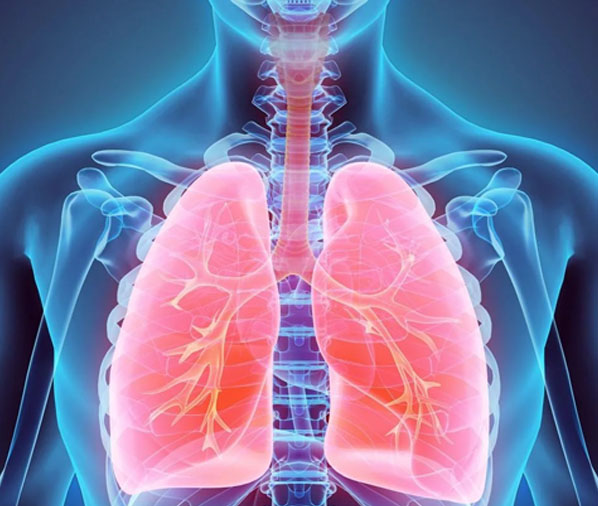
A lung infection is a condition in which a disease-causing microorganism causes damage and inflammation—due to the gathering of immune cells—in the airways or tissues of the lungs.
Lung infections may be caused by viruses, bacteria, fungi, or rarely in the United States, parasites. In some cases, more than one type of microorganism is responsible. For example, viral bronchitis may lead to bacterial pneumonia.
Lung infections can be mild or severe and can affect people of any age—though some infections are much more common at certain ages. They may affect airways of any size (bronchi, bronchioles, alveoli) or the tissues that surround the airways of the lungs.
